
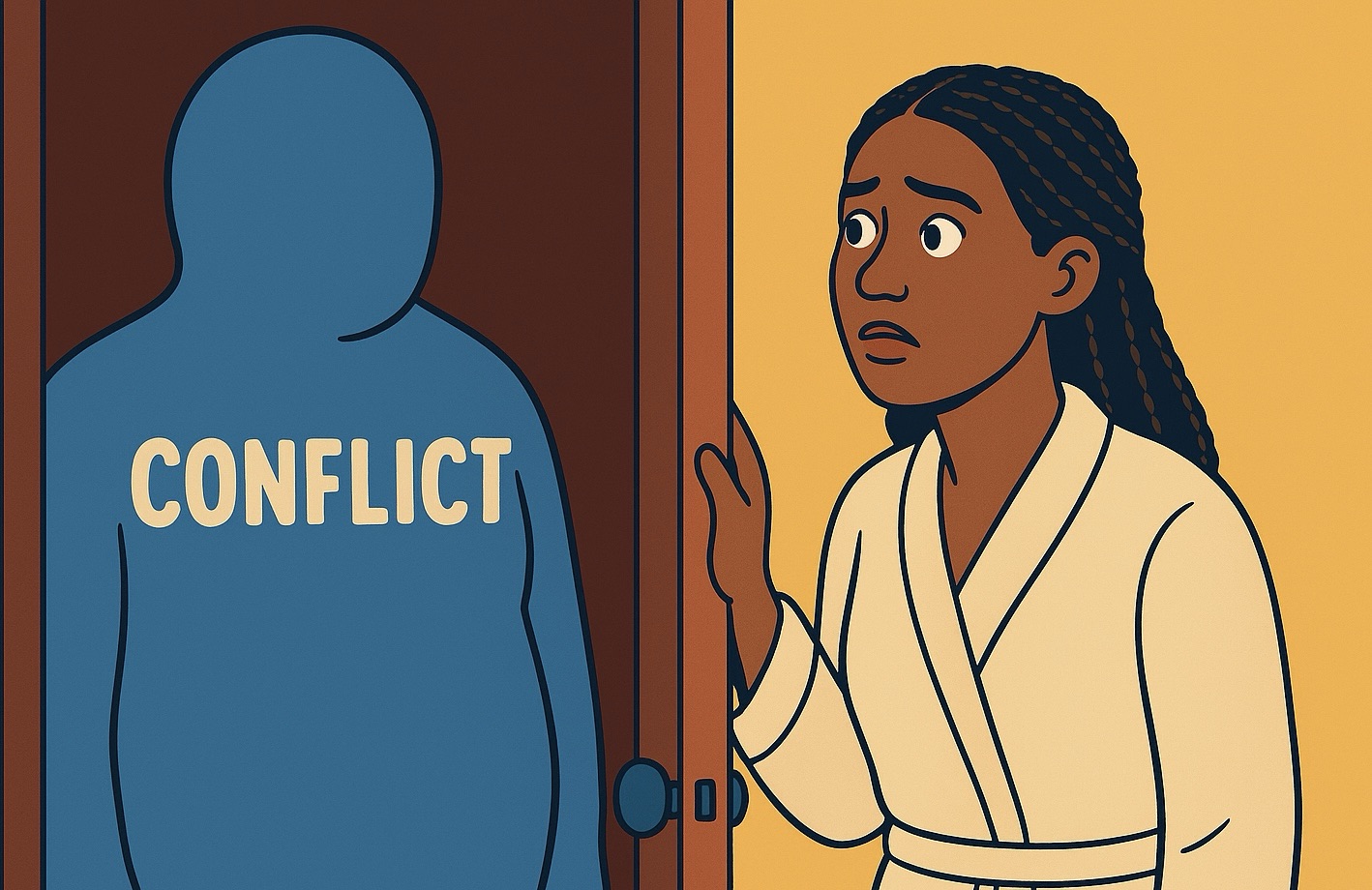
6 Ways to Face Conflict Instead of Running From It
Conflict has a way of following us like a shadow.
It shows up at the dinner table when unspoken tension lingers between family members. It creeps into the office when you want to speak up to your boss but fear your voice won’t be heard. It lingers at night, when you finally put the phone down and realize you’ve been scrolling just to avoid the tension, hurt, and pain you keep suppressing.
We escape in different ways—through noise, through numbing, through endless distraction. But underneath it all, the conflict remains, patiently waiting for our attention.
The trouble is, running from conflict never brings relief—it only breeds more unrest.
Problems we avoid don’t dissolve; they multiply.
Silence turns misunderstandings into resentment.
And sometimes, there is only a small window where the conversation can still heal before the wound begins to scar.
What we don’t confront in honesty becomes what we carry in heaviness.
Conflict doesn’t have to be the enemy. When faced with wisdom and courage, it can become the pathway to peace, intimacy, and freedom.
Here are six ways to stop running from conflict and start addressing it with clarity and grace.
1. Name the Conflict Honestly
Denial is the soil where conflict grows. If you keep it vague—“something feels off”—you’ll never deal with the root. Begin by naming it clearly: disappointment, betrayal, fear, disrespect. Write it down, say it out loud, pray it through. Naming the conflict takes it out of the shadows and into the light, where it can be addressed. What you refuse to name will quietly claim you.
2. Separate the Person From the Problem
When emotions rise, it’s easy to make the person the enemy. But often, it’s the misunderstanding or behavior that caused the rift. Aim your honesty at the issue, not the identity. The person is still more than their mistake. When you treat them with dignity, you invite them to join you in solving the problem instead of defending themselves.
3. Choose Courage Over Comfort
Avoidance feels comfortable for a moment, but it creates a lifetime of regret. Confrontation feels uncomfortable in the moment, but it creates the possibility of restoration. The choice is simple but never easy: be brave enough to sit in the discomfort. Growth only comes when you lean into the hard conversations.
4. Prepare, Don’t Procrastinate
Wisdom is not rushing into conflict unarmed, nor is it hiding behind endless delay. Prepare your words. Think through your tone. Consider their perspective. Pray for clarity. But know this: preparation has an expiration date. Too much delay is just fear wearing the mask of wisdom. Conflict doesn’t improve with time—it intensifies with silence.
5. Lead With Vulnerability
Walls invite war, but vulnerability builds bridges. Begin with honesty about your feelings instead of accusations about theirs. Say, “I felt hurt when…” rather than “You always…” Vulnerability lowers defenses, creates empathy, and sets the stage for healing. When you open your heart first, you give the other person permission to open theirs too.
6. Address the Conflict Within
Not all conflict is external. Some of the loudest battles rage inside you—old wounds, unprocessed grief, or unspoken shame. And the longer you run from them, the louder they chase you. Instead of numbing the pain with endless distraction, give yourself permission to sit with it. Journal. Pray. Get therapy. Talk it through with someone safe.
You don’t have to keep living weighed down by words unsaid, pain unspoken, or problems unattended. You are more capable than you believe, and more valuable than your fear suggests.
Take one step. Make one call. Write one message. Begin the conversation you’ve been avoiding. Healing doesn’t come to those who hide—it comes to those who are willing to walk through the fire to find freedom on the other side.
Notes
“If your brother sins against you, go and tell him his fault, between you and him alone.”
-Matthew 18:15