
How to Turn Nervousness into Excitement
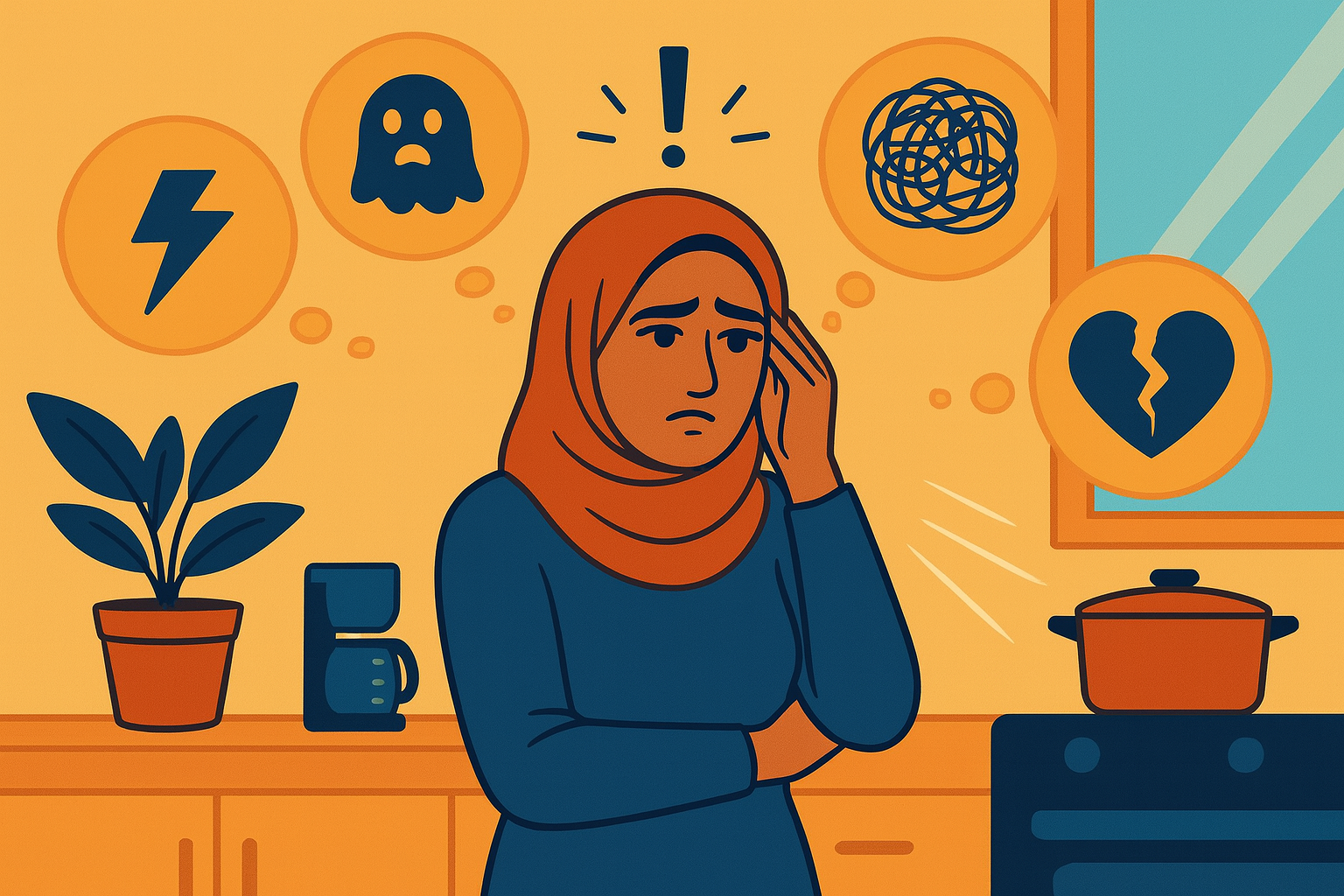
You know the feeling. Your chest tightens. Your palms sweat. Your heart races like it’s sprinting toward a finish line you didn’t sign up for. The voice in your head gets louder: What if I mess up? What if I forget everything? What if they laugh? Whether it’s a job interview, a first date, or standing up to speak in front of people, nerves sneak in like uninvited guests—and suddenly your body feels like it’s betraying you.
But here’s the funny thing. Those same feelings show up in completely different moments too—when you’re about to get on a rollercoaster, when you see your name on the acceptance letter, or when you’re waiting for the curtain to rise at your favorite concert. Heart racing. Hands sweating. Breath shortening. You don’t call that nervousness—you call it excitement.
And that’s the point: nervousness and excitement are the same sensation wearing different names. The body doesn’t know the difference—only the mind does. What we often mistake for fear is actually energy, anticipation, and readiness. The stomach drop before a big presentation is the same stomach drop before the plane takes off for a vacation. The sweaty palms before a speech are the same sweaty palms before you hold the hand of someone you’ve been waiting to meet.
It all comes down to framing. How you label the feeling determines how you live with it. Call it nervousness, and you freeze. Call it excitement, and you move. The sensation doesn’t change—but the story you tell yourself about it does. That’s why the most successful people don’t run from the nerves—they reframe them as fuel. Fear whispers “stop,” but excitement shouts “go.”
Here are three ways to reframe your nerves into excitement:
1. Rename It in Real Time
When the nerves hit, don’t say, “I’m nervous.” Say, “I’m excited.” That simple shift turns dread into anticipation. Words don’t just describe your state—they shape it.
2. Redirect Your Thoughts
Nervous thoughts obsess over what could go wrong. Excited thoughts focus on what could go right. Train your mind to shift the spotlight—visualize the win, the breakthrough, the applause at the end instead of the fear at the start.
3. Rehearse Confidence With Your Body
Your body already feels the surge—heart racing, hands shaking. Channel it by adjusting posture, breathing deeply, even smiling. The same body language that looks like fear can double as readiness. Your physiology is a stage—decide which play you’re performing.
When you learn to reframe, you unlock a hidden superpower. Suddenly, the moments that used to paralyze you become the moments that propel you. Limits drop. Opportunities open. You step into rooms, stages, conversations, and chances that once terrified you—and instead of shrinking, you shine.
Because when you stop calling it fear and start calling it fire, you realize the same feeling that once held you back was the fuel that was meant to push you forward.
Notes
“For God gave us a spirit not of fear but of power and love and self-control.”
-2 Timothy 1:7
“Be strong and courageous. Do not be frightened, and do not be dismayed, for the Lord your God is with you wherever you go.”
-Joshua 1:9