
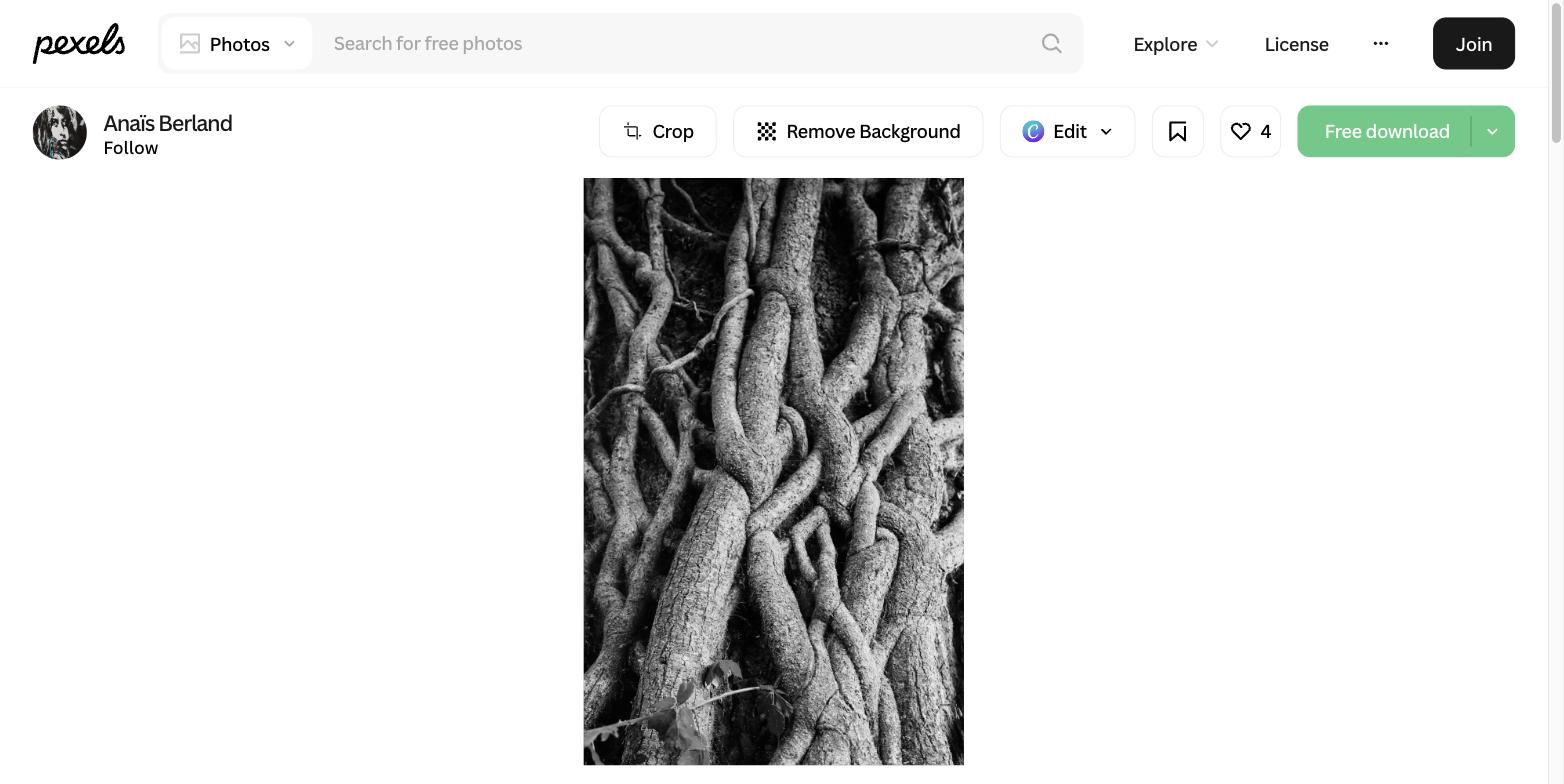
The Principle of Relationships
David and Jonathan — When David arrived at the court of King Saul after killing Goliath, he was a shepherd boy turned warrior whose victory had just made him famous across Israel. Jonathan was the king’s son and the presumptive heir to the throne. Their relationship should have been defined by rivalry. Instead, the Bible says that Jonathan’s soul was knit to the soul of David, and Jonathan loved him as his own soul. He gave David his robe, his armor, his sword, his bow, and his belt, which was a symbolic transfer of his royal identity. Jonathan’s future was wrapped up in inheriting the kingdom, but he recognized that the kingdom belonged to David, and he chose covenant over competition. When Saul repeatedly tried to kill David, Jonathan warned him, argued for him before the king, and risked his own life to protect the man his father viewed as a threat. They wept together when they parted, not knowing if they would see each other again. Jonathan died in battle at Mount Gilboa. Years later, when David was established as king, he asked if there was anyone left from Saul’s house to whom he could show kindness for Jonathan’s sake. He found Jonathan’s crippled son Mephibosheth and restored to him everything that had belonged to Saul, and gave him a permanent place at the king’s table (1 Samuel 18:1-4, 2 Samuel 9).
Ruth and Naomi — Naomi had gone with her husband and two sons to the land of Moab during a famine. Both sons married Moabite women, one named Orpah and one named Ruth. Then Naomi’s husband died, and then both sons died. Naomi was left with her two daughters-in-law in a foreign land, with no prospect of support, no male heir, and no financial future. She decided to return to her homeland in Bethlehem and told both women to go back to their own families, where they might find new husbands and security. Orpah kissed her goodbye and left. Ruth refused. She said to Naomi, “Where you go, I will go. Where you stay, I will stay. Your people will be my people and your God my God. Where you die, I will die, and there I will be buried.” She left everything familiar to follow a grieving widow into an uncertain future. In Bethlehem, Ruth went to work in the fields, gleaning grain that was left for the poor. She worked faithfully under the eye of a man named Boaz, who was a relative of Naomi’s. Boaz noticed her diligence and her loyalty to Naomi. He protected her, provided for her generously, and eventually became her kinsman-redeemer, restoring the family line. Ruth the Moabite became the great-grandmother of King David and an ancestor of Jesus (Ruth 1–4).
Paul and Timothy — Timothy was a young man with a Greek father and a Jewish mother named Eunice, whose faith had been shaped by both his mother and grandmother Lois. When Paul came to Lystra on his second missionary journey, the believers there spoke well of Timothy, and Paul chose him to travel with him. From that point forward, their relationship was one of the most significant mentorships in the New Testament. Paul called Timothy his true child in the faith. He sent him to some of the most difficult churches, trusted him with sensitive messages, and wrote him two of his most personal letters while imprisoned in Rome. In those letters Paul urged him not to let anyone look down on him because he was young, reminded him to fan into flame the gift that was in him, and told him to entrust what he had learned to reliable people who could teach others. Timothy was not simply a follower of Paul’s ministry. He was a co-laborer shaped by sustained investment across years. The church in Philippi, in Thessalonica, in Corinth, all knew Timothy by name. The relationship built something that outlasted both of them (Philippians 2:19-22, 2 Timothy 1:2-5).
Tips for Using the Principle of Relationships1. Invest before you need, the strongest relationships are built in ordinary seasons, not crisis moments. Do not wait until you are desperate to build the connections that will sustain you.
2. Be present, not just available, relationships deepen through undivided attention, not just proximity. Put the phone away, make eye contact, ask real questions, and listen fully.
3. Choose relationships that challenge you to grow, not just comfortable ones. The people who make you better are more valuable than the people who make you comfortable.
4. Repair broken relationships promptly, unaddressed offenses build walls that become harder to dismantle over time. Matthew 5:23–24 instructs reconciliation before worship.
5. Be the kind of friend you want to have, generosity, loyalty, and honesty in your relationships will attract the same in return.
Connected Principle: Service
Relationships are the arena where service is most powerfully expressed. You cannot love in theory, love requires people, proximity, and presence. The depth of your relationships is often a direct reflection of how well and how consistently you serve the people in your life. Service is what transforms a connection into a covenant. To learn more, read The Principle of Service.