
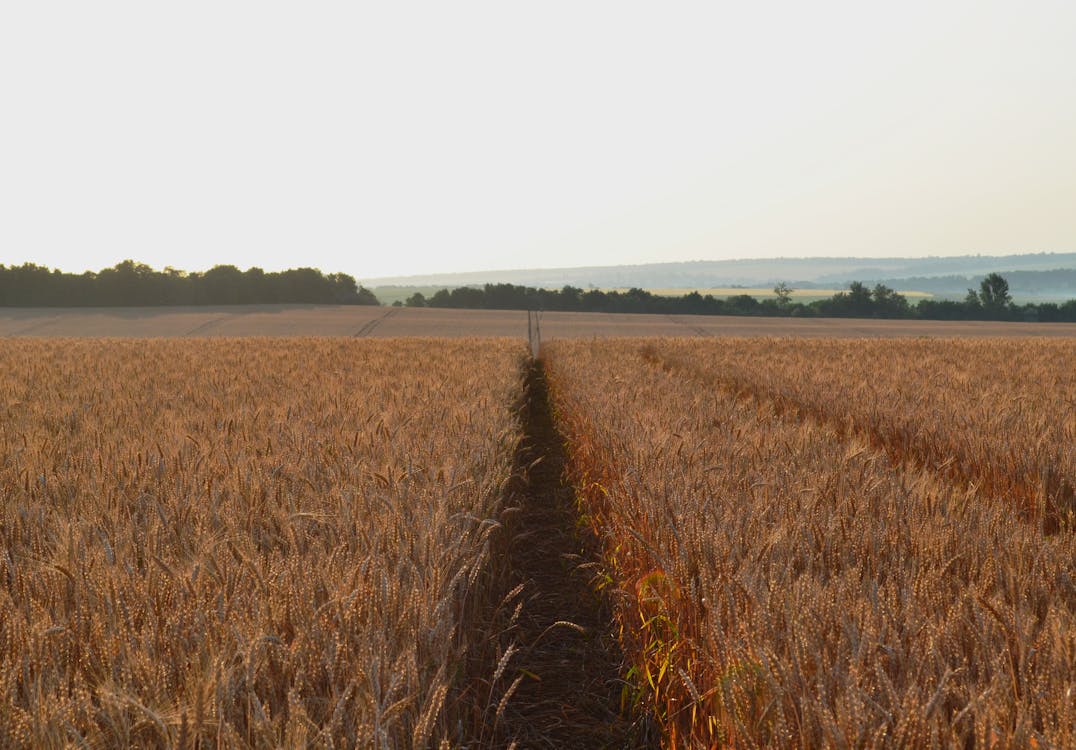
The Principle of Sowing
The Principle of Sowing is the understanding that every intentional act of investment, in people, in work, in generosity, in character, is a seed that will return a harvest in its season, and that those who sow faithfully and consistently will reap with abundance what the impatient and the self-absorbed will never receive.
Living Without This Principle
Without the Principle of Sowing, you become a consumer rather than a cultivator. You extract from relationships without depositing, spend on the present without investing in the future, and expect harvest from fields you never planted. The person who does not sow is perpetually surprised by scarcity, wondering why their relationships are shallow, why their finances are unstable, why their influence is limited, without making the connection that every outcome is preceded by a corresponding seed. Living without this principle is living on the wrong side of time: always wanting tomorrow’s harvest while neglecting today’s planting.
What This Principle Unlocks
When you live by the Principle of Sowing, you begin to think and operate with a harvest mentality, not wishful, but strategic. You become deliberate about what seeds you are planting with your time, words, money, effort, and kindness. You stop expecting instant returns and start building the kind of long-game investments that compound into extraordinary outcomes over time. The people who seem to live lives of remarkable abundance, influence, and blessing are almost always the ones who sowed consistently, generously, and for a long time before the harvest was visible.
Hebrew and Greek Root Words
zāra’ (זָרַע): the Hebrew word for sowing or planting seed. It is used throughout the Old Testament in both agricultural and metaphorical contexts, sowing seeds of righteousness, sowing in tears, sowing with hope. The sower is always someone acting in faith, putting something into the ground before there is any visible return.
speirō (σπείρω): the Greek word for to sow seed. Jesus uses this word extensively in His parables, the sower, the seeds, the soil. Paul uses it to describe giving: “Whoever sows sparingly will also reap sparingly, and whoever sows generously will also reap generously.”
Bible Verses on Sowing
Psalm 126:5–6: “Those who sow (zāra’) with tears will reap with songs of joy. Those who go out weeping, carrying seed to sow, will return with songs of joy, carrying sheaves with them.”
Proverbs 11:18: “A wicked person earns deceptive wages, but the one who sows (zāra’) righteousness reaps a sure reward.”
Hosea 10:12: “Sow (zāra’) righteousness for yourselves, reap the fruit of unfailing love, and break up your unplowed ground; for it is time to seek the Lord, until He comes and showers His righteousness on you.”
2 Corinthians 9:6: “Remember this: Whoever sows (speirō) sparingly will also reap sparingly, and whoever sows generously will also reap generously.”
Galatians 6:7–8: “Do not be deceived: God cannot be mocked. A man reaps what he sows (speirō). Whoever sows to please their flesh, from the flesh will reap destruction; whoever sows to please the Spirit, from the Spirit will reap eternal life.”
Examples of People in the Bible Who Used This Principle
Isaac During the Famine: A severe famine was affecting the region where Isaac lived, and the natural response was to hoard what remained. God instructed Isaac to stay in the land rather than going to Egypt and to plant crops in that year of famine. Isaac obeyed. What happened was recorded with a remarkable phrase: he reaped a hundredfold harvest in the same year, and the Lord blessed him. His neighbors and the regional king took notice; his prosperity became a visible testimony to the provision of God for those who sow in obedience even when circumstances argue against it. He planted seeds when everyone else was conserving, and the harvest was proportionate to the faith behind the sowing (Genesis 26:1-14).
The Widow of Zarephath: The prophet Elijah arrived at the gate of Zarephath during a season of extended drought and famine, and found a widow gathering sticks to cook what she believed would be the final meal for herself and her son. He asked her for bread first, before she served herself or her child. She obeyed. The result was that the jar of flour did not run out and the jug of oil did not run dry, not for that one day but for the entire duration of the drought until rain came again. She had sown the last thing she had into prophetic ministry, and the provision she received sustained her household through a multi-year crisis that was costing lives around her (1 Kings 17:8-16).
Barnabas: Barnabas was known by a name the apostles gave him that meant “son of encouragement.” He consistently sowed into people others had written off or considered too risky. When the newly converted Paul arrived in Jerusalem and the disciples were afraid of him, not yet trusting his conversion was genuine, it was Barnabas who vouched for him and brought him into the community. When Paul and the church later parted ways with John Mark after he had left a previous mission trip partway through, it was Barnabas who was willing to take a second chance on John Mark and invest in him again. Both Paul and John Mark went on to become central figures in the New Testament church. Barnabas consistently sowed into people who were unproven, and the harvest of those investments was two of the most fruitful lives in the history of the church (Acts 4:36-37; 9:26-27; 15:36-39).
Tips for Using the Principle of Sowing
- Take a sowing inventory. What seeds are you currently planting in your relationships, finances, health, spiritual life, and calling? Are the seeds you are sowing today producing the harvest you want tomorrow?
- Sow in every season, not just when you feel like it. The farmer does not plant only when the conditions are emotionally favorable; he plants according to the calendar. Consistency in sowing is what produces reliability in harvest.
- Give generously before you feel like you can afford to. Generosity is a seed, and the harvest from it will create the capacity you felt you did not have when you planted it.
- Sow into people. Invest your time, encouragement, wisdom, and resources into the growth of those around you. The return on human investment outlasts almost every other kind.
- Pay attention to what you are sowing with your words. Words of life, encouragement, and truth are seeds. So are words of criticism, complaint, and cynicism. You are always sowing something.
- Trust the gap between sowing and harvest. Seeds take time. The period between planting and reaping is not evidence that nothing is happening; it is often the most important part of the process.
- Sow toward your vision, not just your current reality. Plant the seeds that correspond to the life you are building, not just the life you currently have.
Connected Principle: Productivity
Sowing is productivity at its most fundamental level. The Principle of Productivity teaches you to produce consistently and with intention, and sowing is the mindset that makes that production meaningful. You are not just working to meet today’s demand; you are planting for tomorrow’s harvest. Sowing transforms productivity from task management into kingdom investment.