
Triggered: How to Overcome Unhealed Trauma
You didn’t plan to react like that; it just happened.
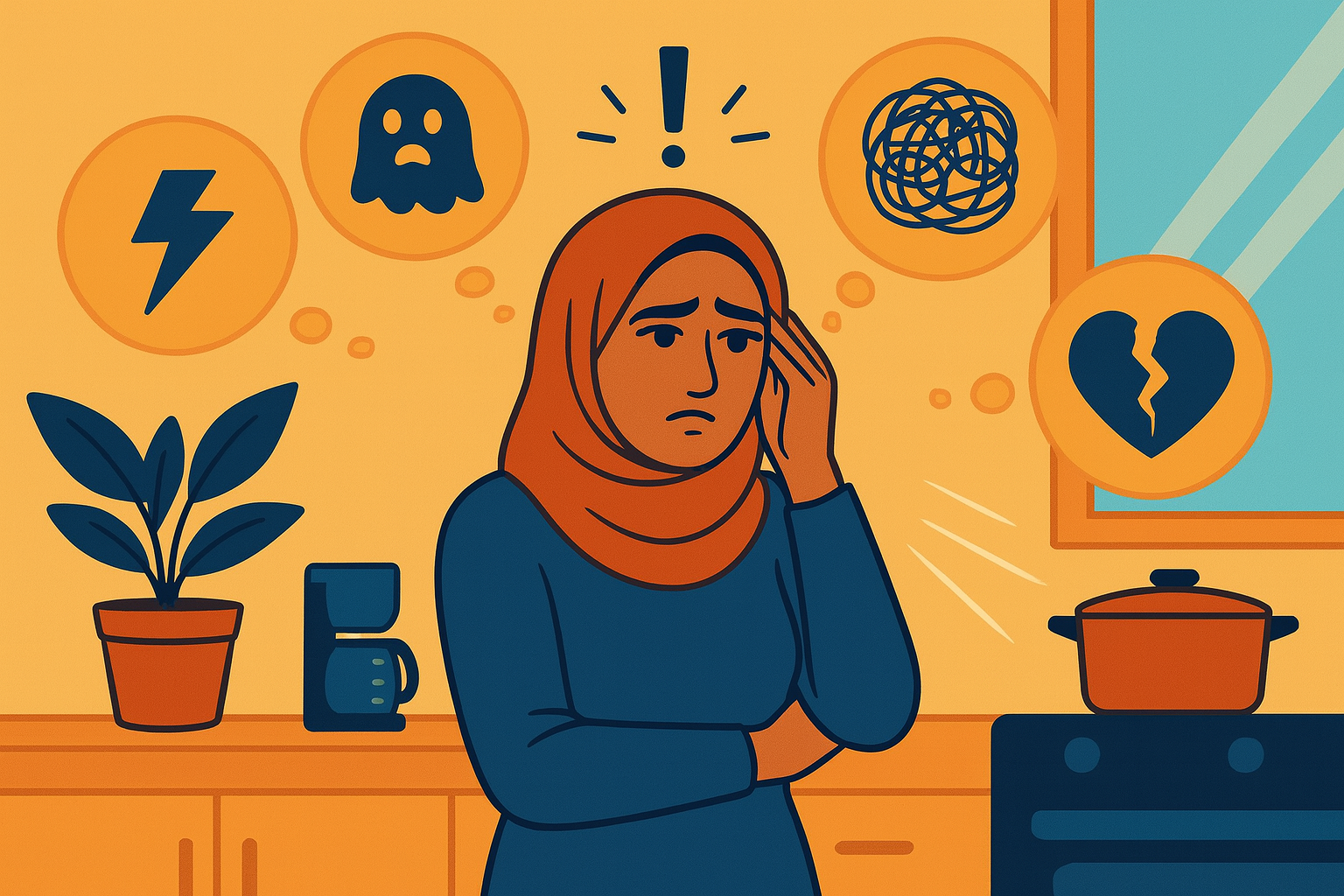
It caught you off guard—how fast your chest tightened, how your thoughts raced, how your tone shifted before you could stop it. One moment you were fine. The next, you were somewhere else entirely.
Maybe it was a relationship.
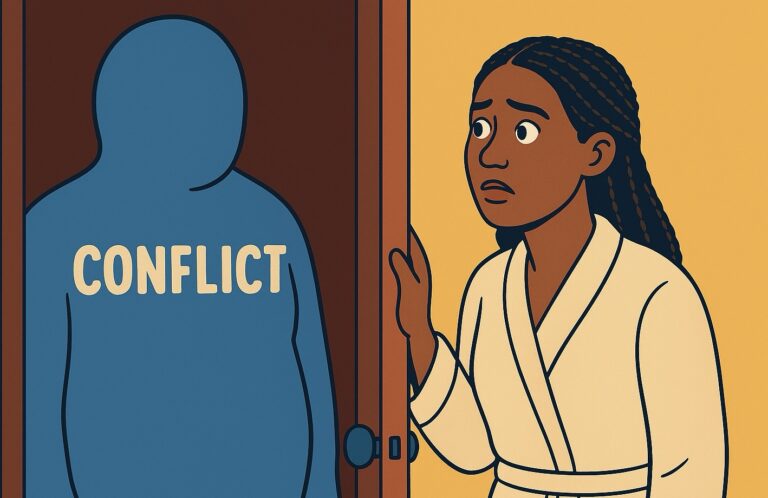
Not a breakup—but a betrayal. One where you opened up slowly, carefully, letting someone see parts of you that you usually keep guarded. And when they mishandled it—dismissed you, lied to you, walked away—you felt something crack.
You told yourself you were strong. That you moved on. That you healed.
But now, years later, you notice it.
How silence feels threatening.
How affection makes you uneasy.
How the smallest disagreement feels like rejection.
You don’t trust easily anymore—not just others, but yourself.
You question your instincts. You overthink your emotions. You stay guarded because vulnerability once cost you more than you were ready to lose.And what hurts most is realizing this:
you’re reacting to someone in front of you…
but you’re responding to someone from your past.
Trauma Doesn’t Always Scream—Sometimes It’s soft and sneaky
This is how it usually works.
Someone says something innocent, but it lands heavy.
Someone pulls back, and suddenly you feel abandoned.
Someone disagrees, and you feel invisible all over again.
Logically, you know the situation doesn’t match the intensity of your reaction.
Emotionally, it doesn’t matter.
Because trauma lives in the body before it ever reaches the mind.
You tell yourself, I’m just being cautious.
But deep down, you know—you’re bracing.
Protecting.
Preparing for pain that hasn’t even happened yet.
And it’s not just relationships.
It’s old disappointments.
Unprocessed grief.
Rejection you never talked about.
Moments you minimized because you had to “stay strong.”
Unhealed pain doesn’t disappear.
It waits.
And when it resurfaces, it doesn’t ask permission—it takes over.
When Being Triggered Starts Making the Decisions for You
Triggers don’t just affect how you feel—they influence what you do.
You pull away from people who care.
You self-sabotage moments of peace.
You say things you don’t mean—or say nothing when you should speak.
Later, you replay it all in your head:
Why did I react like that?
Why did I shut down?
Why did I ruin something good?
And the shame creeps in.
But being triggered doesn’t make you broken.
It means something inside you is still hurting.
Cain Didn’t Lose Control—He Lost Awareness of His Pain
Cain’s story isn’t about sudden evil.
It’s about unaddressed emotion.
He brought an offering. His brother did too.
One was accepted. His wasn’t.
God didn’t reject Cain—but Cain felt rejected.
And instead of pausing, asking questions, or bringing his hurt to God, he let the wound speak for him.
Comparison crept in.
Jealousy followed.
Anger grew louder.
Until one moment of rage destroyed everything.
God even warned him:
Genesis 4:7
“If you do what is right, will you not be accepted? But if you do not do what is right, sin is crouching at your door; it desires to have you, but you must rule over it.”
Cain wasn’t overtaken by sin in an instant.
He was overtaken slowly—by feelings he never processed.
That’s what being triggered looks like.
The Enemy Doesn’t Create New Wounds—He Reopens Old Ones
Satan doesn’t need new strategies.
He just needs familiar emotions.
He waits for you to feel overlooked.
Unvalued.
Unheard.
Then he whispers through your thoughts:
Protect yourself.
Withdraw.
Prove something.
Punish someone.
And the reaction feels justified—until the fallout comes.
The relationship strains.
The peace fades.
The regret settles in.
Not because you’re an evil person—but because a door was left open by unhealed pain.
Three Ways to Break the Pattern and Take Back Control
1. Acknowledge What Still Hurts
If it still triggers you, it still matters.
Healing doesn’t begin with denial—it begins with honesty.
Ask yourself: What moment am I still carrying?
Name it. Bring it into the light. God can’t heal what you keep hidden.
2. Separate the Past From the Present
Not every situation is a repeat.
Not every disagreement is a threat.
Pause and ask: Am I responding to now—or reliving then?
Discernment restores clarity.
3. Choose Response Over Reaction
You’ve been given more than emotion—you’ve been given power.
2 Timothy 1:7
“For God gave us a spirit not of fear but of power and love and self-control.”
Self-control isn’t suppression.
It’s wisdom under pressure.
You Are Not Defined by What Hurt You
You are not your trigger.
You are not your trauma.
You are not your worst reaction.
You are becoming healed—not overnight, but intentionally.
You don’t have to rush the process.
You just have to choose awareness over autopilot.
The next time you feel triggered, remember:
this moment is an invitation—not a sentence.
Pause.
Breathe.
Respond from who you are becoming—not what once hurt you.
Healing is happening.
And you’re allowed to take your time as it happens.